Special credit and thanks to Dalton Greyerbiehl, PT, DPT, physical therapist and owner of MVPT Physical Therapy in Bloomfield Hills, MI, whose insights on physical health and aging formed the foundation of this article. Dalton presented these concepts to our team to help us expand our perspective for ourselves and our clients.
Picture the trip you’ve been putting off. The one that requires a full day of hiking, or carrying your own bags through three airports, or keeping up with grandchildren who don’t slow down for anyone. Now ask yourself honestly: is your body ready for that trip today? Will it be in ten years?
Most people assume the answer is yes. But they are wrong.
The reality is that people are busy. Physical health is the thing that gets managed later, after the business is stable, after the kids are through school, and after the calendar clears. Except the calendar never clears. And the body doesn’t wait.
This is the gap that rarely shows up in a financial plan. You can have everything structured correctly from your investments to your estate documents to your tax strategy and still arrive at the life you built without the physical capacity to live it.
There’s a concept called healthspan. Different from lifespan — the total number of years you live, healthspan is the years you remain active, capable, and fully present. The years where you’re actually doing the things you planned to do, not managing around what your body will and won’t allow.
While many people think about living a long life, the goal is to make sure the life you’ve designed is one you can fully inhabit.
Your Most Valuable Asset Isn’t in Any Account
When you think about what drives your ability to enjoy the life you’ve built, it’s not the number in your portfolio. It’s your physical capacity to use the wealth you’ve created. You want to be able to:
- Move without limitation
- Think clearly and make sharp decisions.
- Stay independent and energetic as you age.
- Show up for your family, your legacy, your next chapter.
While these may sound like soft aspirations, they are much more. They are operational requirements for the life you’re planning.
Unlike your financial assets, this one doesn’t benefit from compounding over time without your active attention. Left unmanaged, it quietly declines, often slowly at first, then faster than expected.
The people who recognize this early are the ones who reach their 60s and 70s with the energy and capacity to actually live the freedom they planned for.
Lifespan vs. Healthspan: The Distinction That Changes Everything
Most planning conversations focus on lifespan. How long might you live? What does 30 years of financial independence look like? How do you make your money last?
But the more meaningful question is about healthspan: the years you are active, capable, pain-free, and fully present.
You don’t just want to live to 85. You want to be hiking, traveling on your own terms, and keeping up with the people you love at 85. The goal is more quality years.
This reframing matters because it changes how you prioritize. A 30-year financial plan that doesn’t account for declining physical capacity isn’t complete. The two timelines need to align:
- The years you can afford to live well
- The years you are physically able to do so
When those diverge, the plan breaks down.
How Decline Compounds (and Why Successful People Often Miss It)
Physical decline rarely announces itself. For high-performing entrepreneurs who are used to pushing through challenges, the early signals are easy to dismiss.
A little stiffness in the morning. Slower recovery after a long travel week. Less tolerance for physical exertion than you remember. These feel minor. And individually, they are. But over years, they accumulate the same way poor financial decisions would.
The lifestyle patterns most common among successful, high-demand professionals tend to accelerate this trajectory:
- Long periods of sitting, whether in meetings, on flights, or at a desk
- Inconsistent exercise driven by a packed schedule
- Ignoring early discomfort until it becomes a real limitation
- Optimizing for short-term performance at the expense of long-term capacity
These are predictable outputs of intensely working for 20 or 30 years. But they accumulate, and the cost shows up later, often precisely when you were planning to shift into the life you worked so hard to reach.
The Same Principles That Built Your Wealth Apply to Your Body
Here’s where the mental model you’ve already developed becomes an asset.
You didn’t build a multimillion-dollar net worth by winging it. You built it through long-term thinking, consistent behavior, risk management, and discipline compounded over time. Every one of those principles applies directly to physical longevity.
Long-term thinking means making small investments in your body today that pay returns for decades. Risk management means addressing pain and limitation early before it becomes something that requires real intervention. Consistency means a sustainable routine that fits your life, not a burst of motivation followed by a long absence.
Your goal is to create durable habits
According to Dalton Greyerbiehl, the most effective approach to preserving physical capacity as you age tends to be surprisingly straightforward:
- Daily movement for mobility. Not a workout, just consistent movement throughout the day. Walking, stretching, avoiding prolonged stillness. This alone may support joint health and long-term function.
- Strength training two to four times per week. Research has associated maintaining muscle mass with improved independence and metabolic health as you age. Building and maintaining it now is an investment with a long runway.
- Addressing pain proactively. A small issue addressed early is a manageable problem. The same issue ignored for two years often becomes a surgery, a recovery period, and a meaningful disruption to the life you were planning.
- Quality sleep and stress management. These aren’t luxuries. They are the foundation that determines whether everything else works. Sleep is when the body repairs, consolidates, and recovers. Chronic stress has been associated with many forms of physical decline.
The research supporting these fundamentals is robust and consistent. Newer interventions like sauna use, cold exposure, and targeted supplementation are gaining attention and showing promise, though some require more longitudinal data. The core habits, however, have decades of evidence behind them.
The Time Myth
One of the most common responses successful entrepreneurs, executives and professionals have to the topic of physical health is a variation of: “I know I need to do more of this, but I just don’t have time.”
This deserves a direct response.
The time required to meaningfully change how your body ages is far less than most people assume. A focused, intentional approach to strength, movement, and sleep can produce real results in a few hours per week. The barrier isn’t time. It’s having the right strategy and treating it with the same priority you give to other important decisions.
In a similar manner to how you can delegate the complexity of your financial life so you can focus on what matters most, you don’t need to figure out your health alone. You can find specialists* to help you build a sustainable plan.
What This Means for Your Wealth Plan
At MKD Wealth, our work with successful entrepreneurs and multi-generational families is built on a core belief: wealth should create freedom, not complexity. But we’ve also come to understand that wealth planning, done right, has to account for the full picture of your life.
Your financial plan is designed around a vision of what you want your future to look like. That vision will likely include a version of you who is present, capable, and engaged. If your physical trajectory doesn’t match that assumption, the plan needs to address it.
Does your wealth plan account for health-related changes in your capacity or timeline? What will that mean for your healthcare costs and potential expenses later in life? What if you are focused on investing in your own healthspan? This is a planning conversation worth having explicitly.
Closing Freedom Gaps
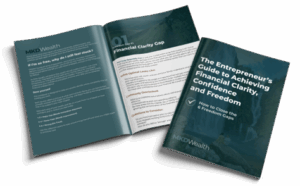
While closing the healthspan gap can contribute to feeling free, you may have other tension holding you back. If you want help looking at hidden gaps across your financial life that can keep you from fully experiencing the wealth you’ve built, we’ve built a resource that will help guide you.
Download the Freedom Gaps Guide for Entrepreneurs to identify where complexity may be quietly holding you back, and what it looks like to close those gaps with intention.
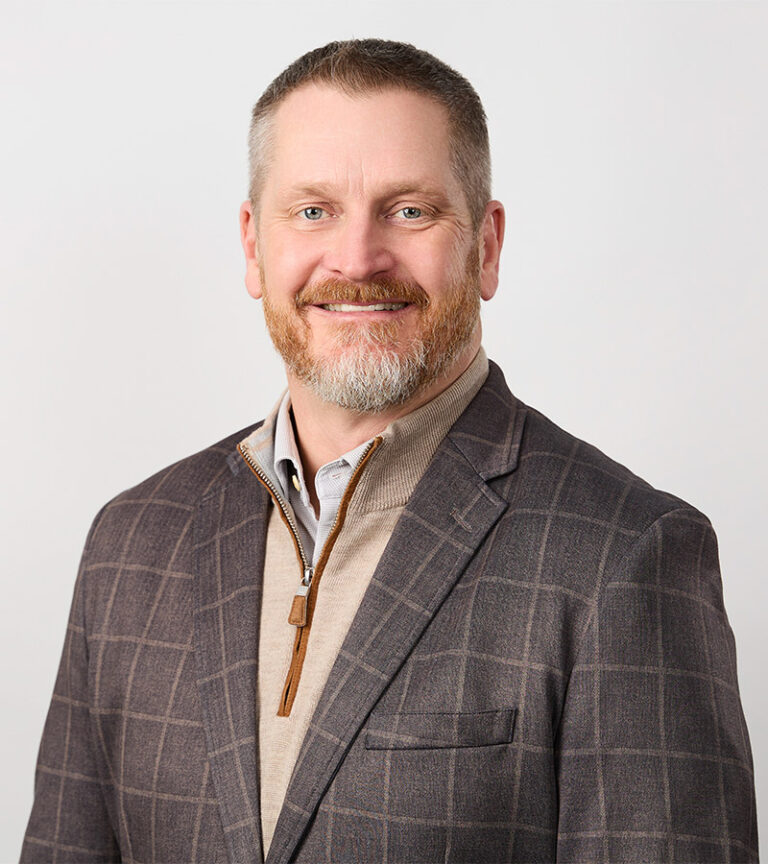
*Special thanks to Dalton Greyerbiehl, PT, DPT for sharing his research and expertise on physical longevity with our team and the clients we serve. To learn more about how he and his team can help, visit their website at https://mvpt-mi.com/.
This article is provided for informational and educational purposes only and should not be construed as medical advice, diagnosis, or treatment recommendations. MKD Wealth and its representatives are not licensed medical professionals. Readers should consult qualified healthcare professionals regarding their personal health and medical decisions. MKD Wealth is not affiliated with MVPT Physical Therapy and no compensation was provided for this mention. This reference should not be construed as an endorsement or recommendation of any particular healthcare provider.
This material is for educational purposes only and is not intended to provide specific advice or recommendations for any individual and does not take into consideration your specific situation. There is no assurance that the views or strategies discussed are suitable for all investors or will yield positive outcomes. Investing involves risks including possible loss of principal. Be sure to consult with a qualified financial advisor, legal, and/or tax professional before implementing any strategy discussed here.
This material is for educational purposes only and is not intended to provide specific advice or recommendations for any individual and does not take into consideration your specific situation. There is no assurance that the views or strategies discussed are suitable for all investors or will yield positive outcomes. Investing involves risks including possible loss of principal. Be sure to consult with a qualified financial advisor, legal, and/or tax professional before implementing any strategy discussed here.